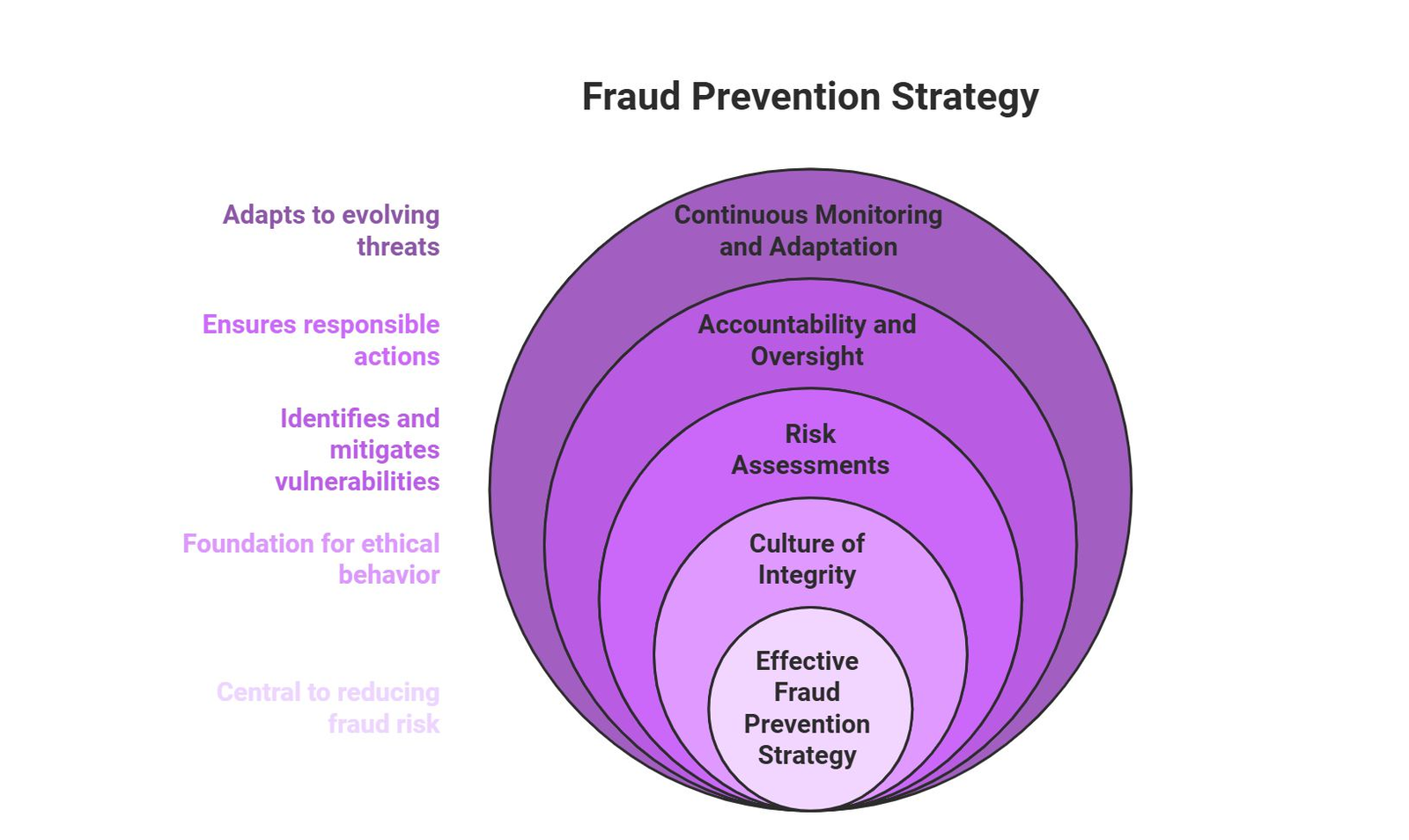
Why accounts get terminated without warning
One of the most stressful experiences a publisher can face is logging into AdSense and finding the account disabled. Google treats invalid traffic, including clicks generated by bots, click farms, repeated self-clicks or software that refreshes ads, as fraud, and its system suspends accounts automatically when it detects manipulated patterns. The painful part is that many honest publishers are caught in the net: a competitor clicking your ads daily, a friend trying to help your earnings, or visitors from a traffic exchange can all poison your account.
Google's position is strict: publishers are responsible for all traffic to their pages, even traffic they did not generate. That feels unfair, but it is the contract you accept when you sign up, so protection has to be proactive rather than reactive.
Dangerous behaviors to avoid completely
Never click your own ads, not even once to test them; use the Google Publisher Toolbar preview instead. Do not ask friends or family to click, do not join traffic exchanges or paid-to-click schemes, and never buy cheap traffic from gig marketplaces, which is almost always bot-driven. Publishers have also lost accounts for encouraging clicks in their content with phrases like click the ads to support us, which Google explicitly prohibits. Automated traffic of any kind, including auto-surf scripts and iframe embeds, is equally fatal.
Be equally careful with where your site is embedded. If someone iframes your pages on a low-quality site to harvest ad impressions, the invalid traffic still lands on your account. Check the sites report inside AdSense periodically and block unauthorized sites from showing your ads, and remove your ad code immediately from any property you no longer control.
Monitoring tools and early warning signs
AdSense itself is your first line of detection: watch the invalid traffic and traffic sources reports for sudden spikes, an abnormally high click-through rate (anything above roughly 5 to 10 percent sustained is suspicious), or traffic arriving from countries you do not target. If you see a spike, do not panic-click around your own pages to investigate. Instead, check whether the source is a bot, a viral social post or something malicious, and document everything with screenshots and analytics data.
Google Analytics 4 helps you cross-reference: compare sessions by channel against AdSense click data to find mismatches. Some publishers add server-side bot filtering or services like Cloudflare to block scrapers before they ever trigger ad requests. If Google sends you an invalid traffic policy warning, take it seriously: reduce ad exposure, review traffic sources, and file an appeal only when you can clearly explain the cause.
What to do if your account is disabled
If the worst happens, Google allows one appeal through the disabled account form. Write a calm, specific explanation: describe your traffic sources, mention any monitoring you did, and state what you have changed. Generic please-reinstate-me letters fail. If the appeal is rejected, the decision is usually final, and creating a new account is against policy and typically gets linked and banned as well. This is why prevention matters infinitely more than appeals.
Keep a full backup habit: export your earnings reports monthly, and never keep your only income stream in one network. Publishers who treat AdSense as one pillar among several, alongside affiliates, sponsored posts and premium networks, survive account shocks that would otherwise end their business.
Building a fraud-resistant traffic base
The safest traffic is traffic you earn: search visitors, loyal email readers and genuine social followers. Viral one-day spikes from questionable sources are precisely what triggers review, so grow steadily. Enable ads.txt on your domain to declare who is authorized to sell your inventory, keep your content original so Google classifies your site as high quality, and stay active in publisher communities where new fraud patterns are discussed early. An ounce of prevention here is worth several hundred dollars of lost earnings.